At Red Barn Schoolhouse, we believe learning should feel meaningful, connected, and alive.
We serve K–5 learners in a small, intentionally designed environment where relationships come first and every child is truly known. With smaller class sizes and a strong sense of community, students are supported not just academically, but as whole people.
Interdisciplinary Education
Introducing curriculum that naturally extends into learning environments of Nature, Art, and Community that promote academic and interpersonal excellence and prepare students for a life of learning.
Mission
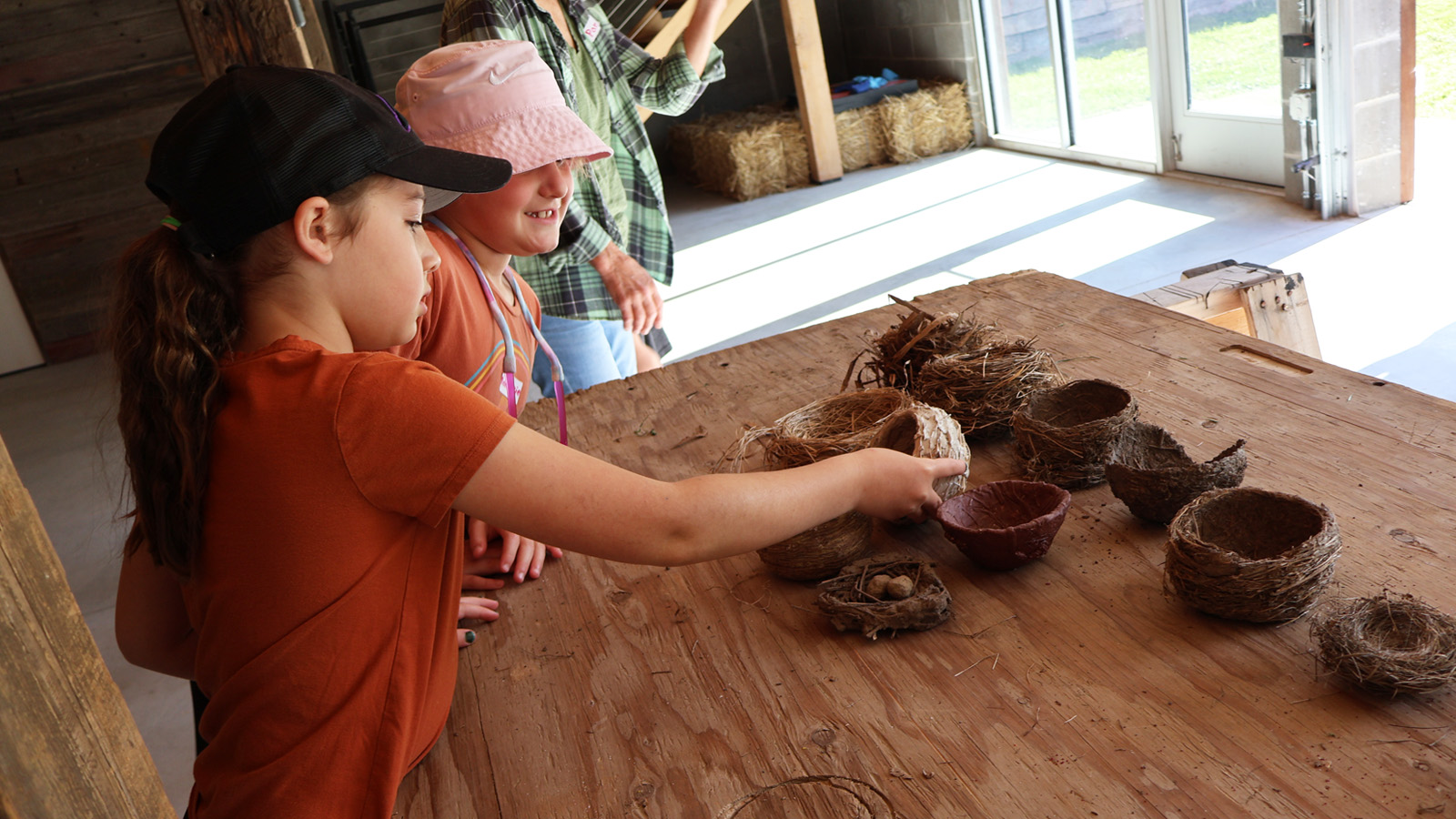
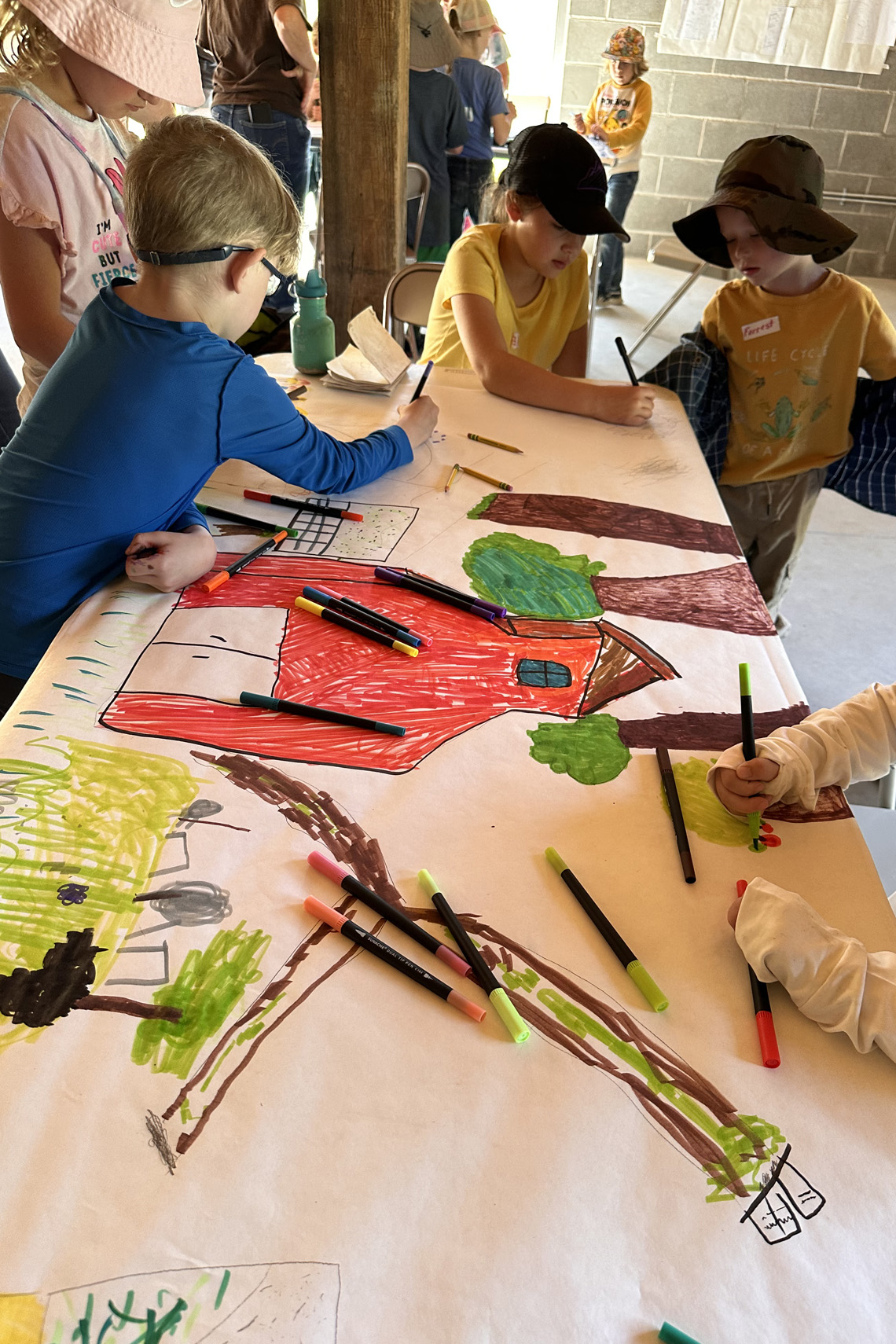
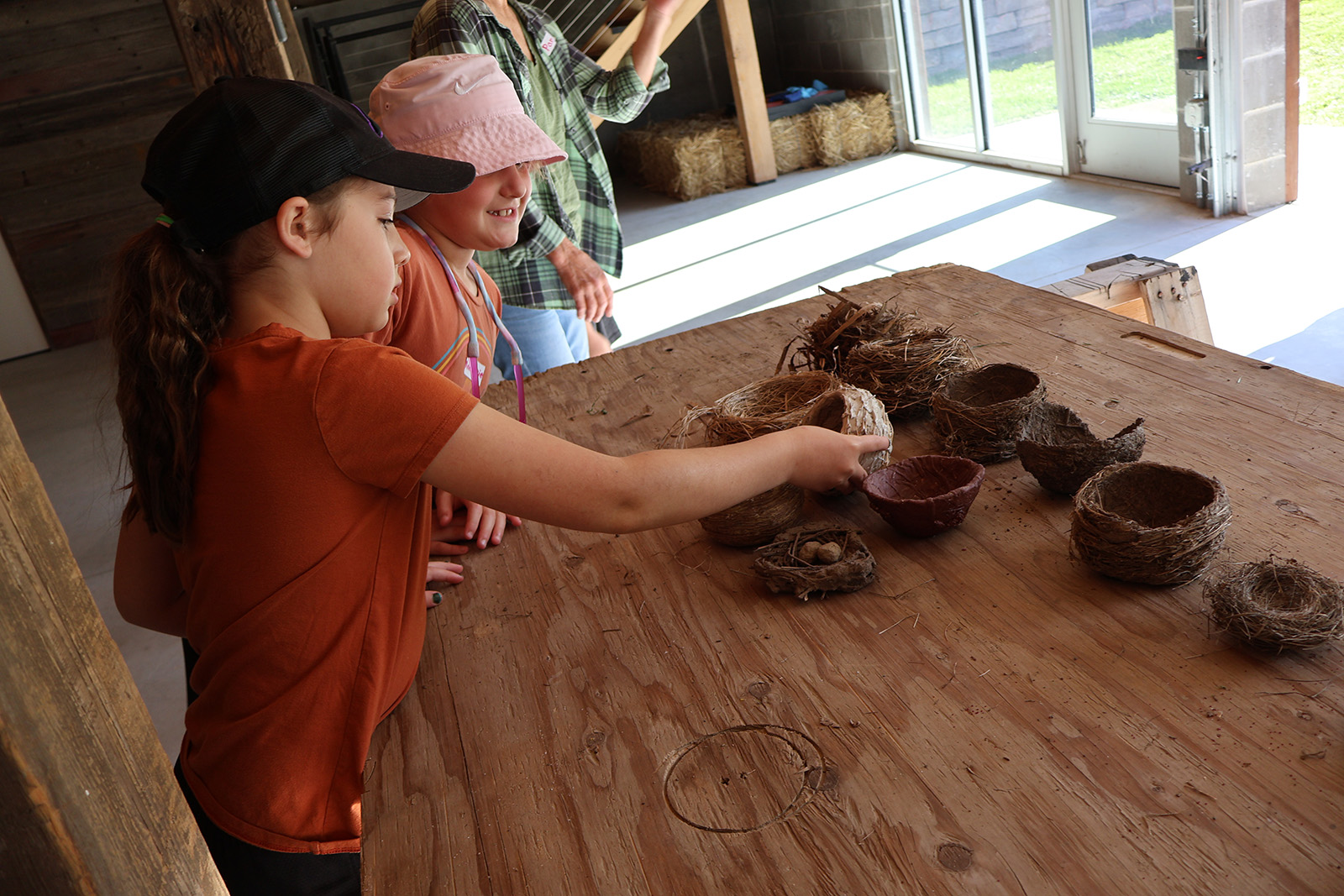
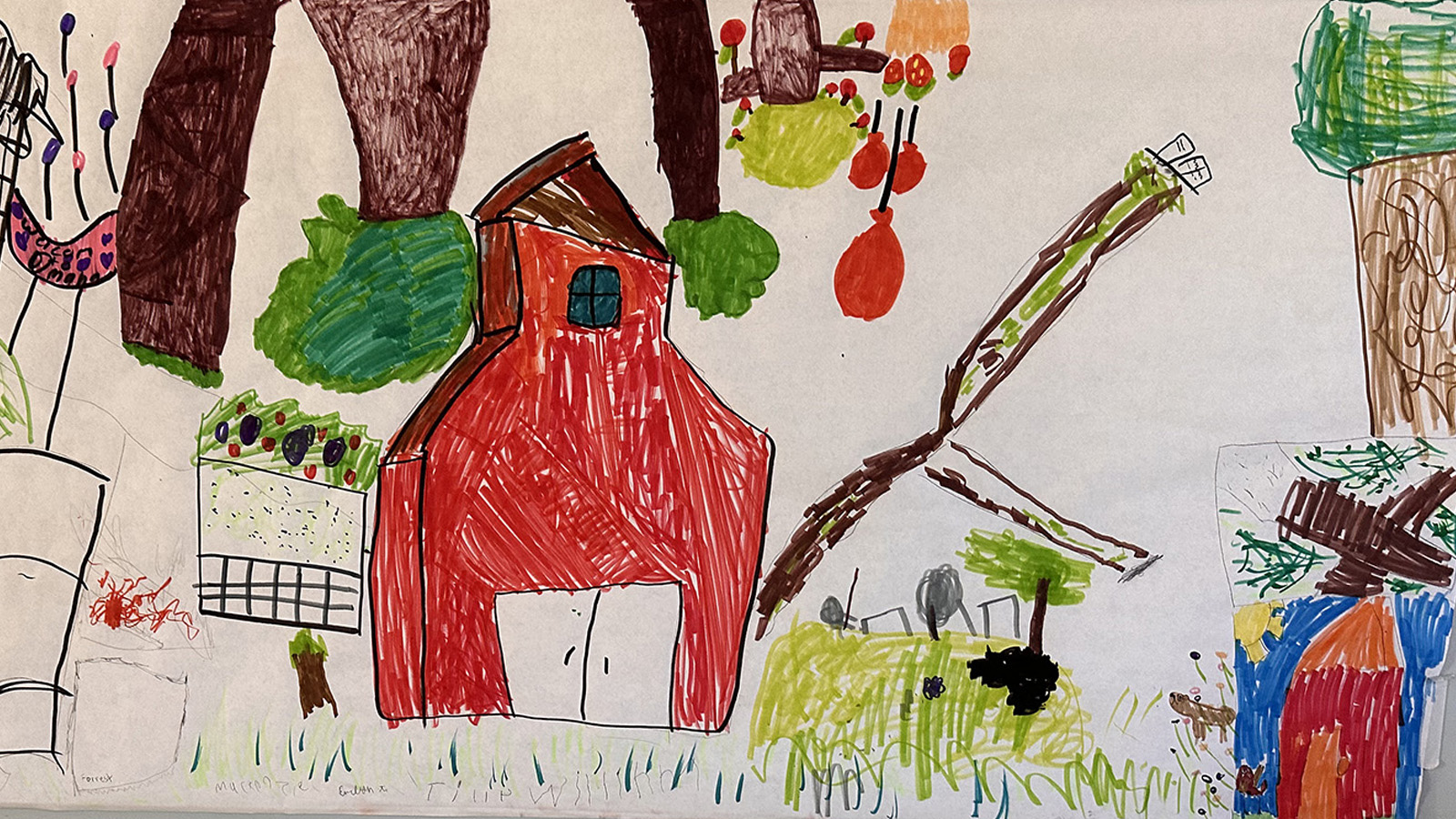
We braid nature, art and community within a robust educational framework and ground our model in collaborative instruction, project and inquiry-based learning, nature-based learning and integrated curricular practices.
Method
Our educators, community artists, and naturalists co-design curriculum, conduct reflective, qualitative evaluations of student learning, and assess students’ proficiency in relation to the Iowa Academic Standards.
Strong Academics, Taught with Intention
We are intentional about building strong readers, writers, and thinkers. Students engage with rich, high-quality literature, develop foundational skills, and are supported through a balance of teacher-designed instruction and personalized learning tools. Each student has access to a device (ThinkPad), allowing for targeted practice and individualized pathways that support their growth.
Parent Partnerships & Student Growth
At Red Barn, connection with families happens regularly—not just a few times a year. About once each month, we create intentional opportunities to come together, reflect, and share in student learning.
Rather than relying on traditional report cards, we use portfolios to capture each child’s growth over time—highlighting their thinking, progress, and experiences in a way that feels authentic and meaningful.
A School Calendar Designed with Care
Red Barn operates on a year-round, Monday–Thursday schedule, with thoughtfully placed breaks that support both student learning and overall well-being.
Learning That Feels Real
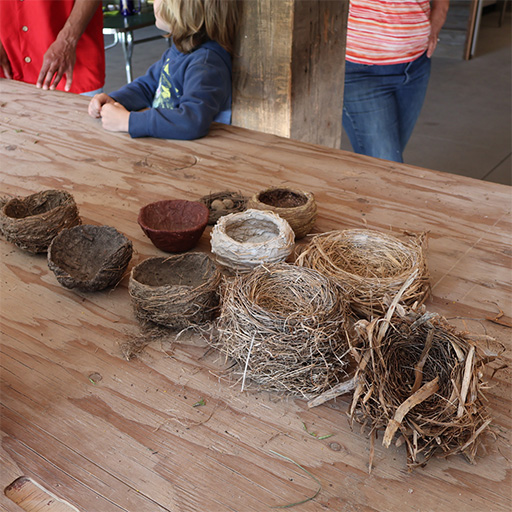
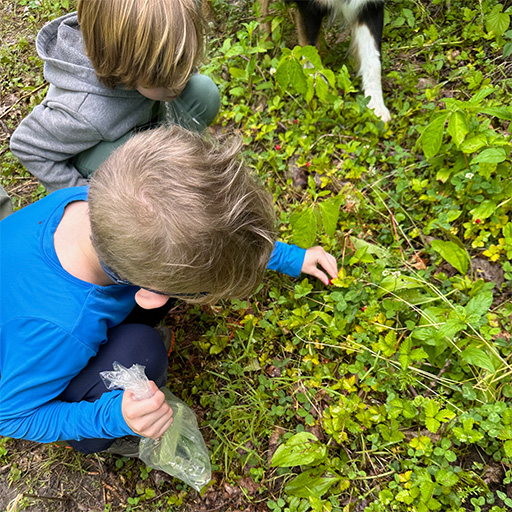
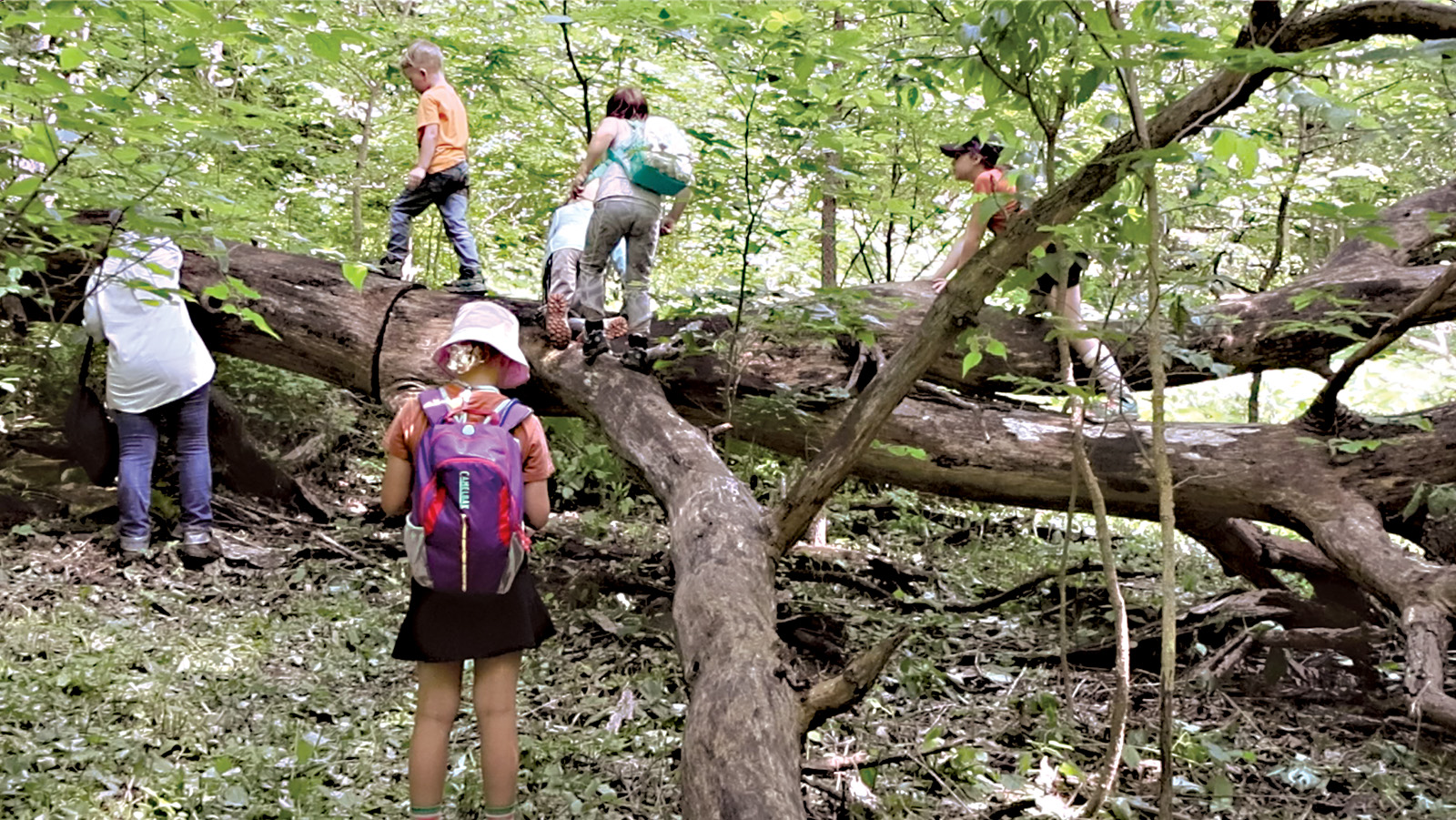
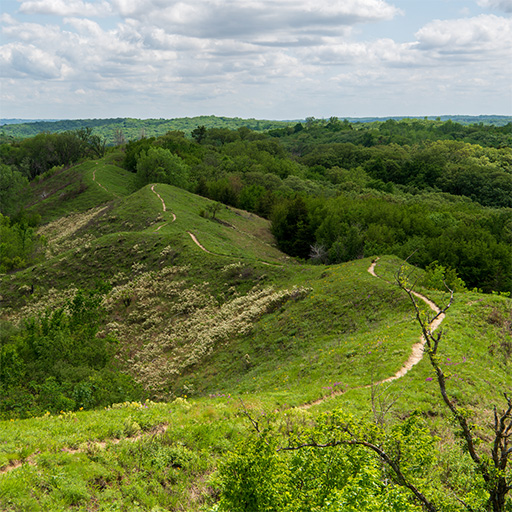
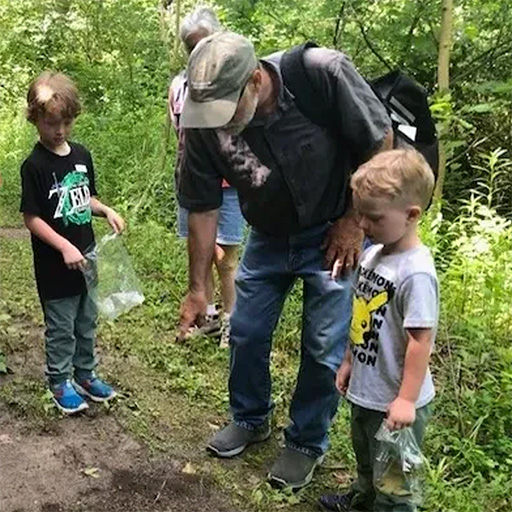
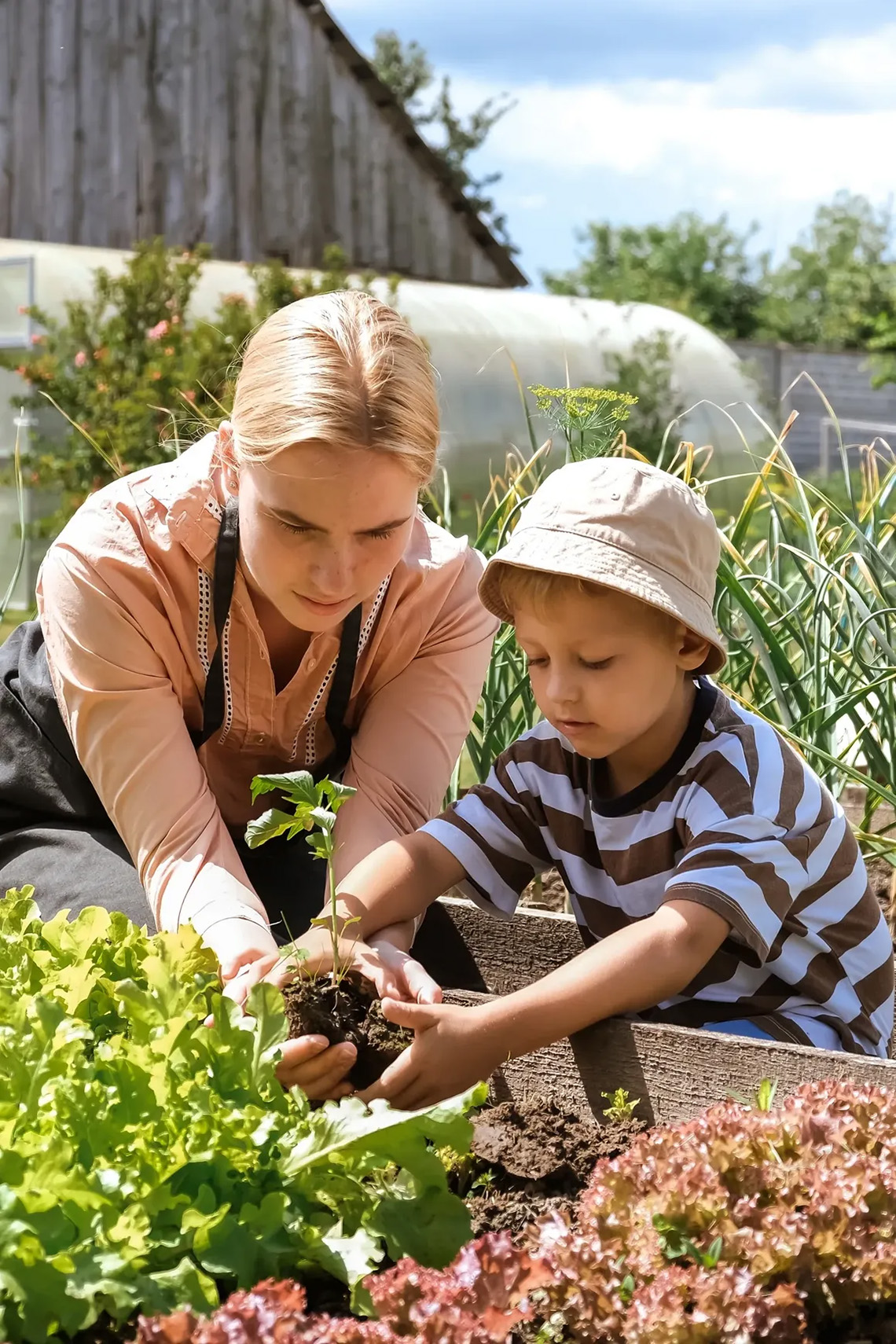
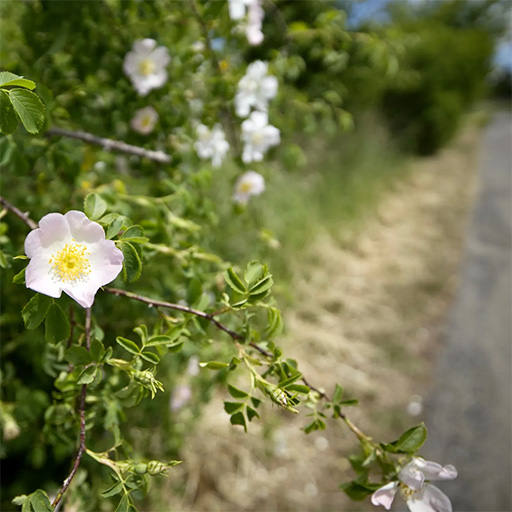
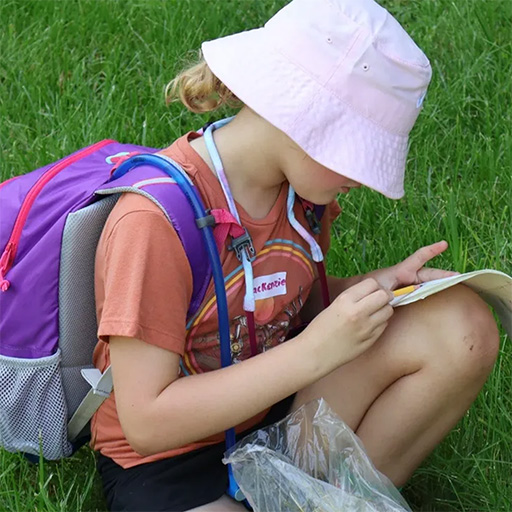
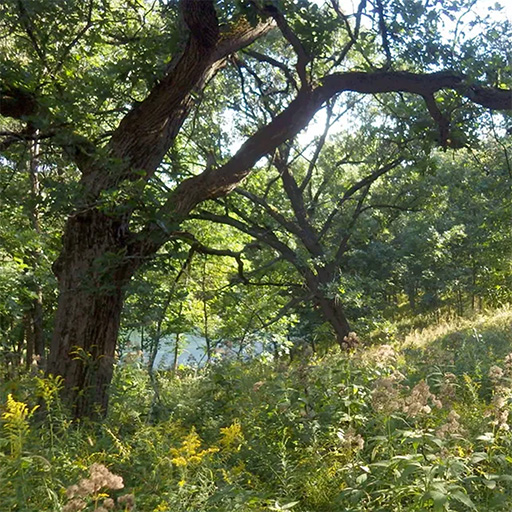
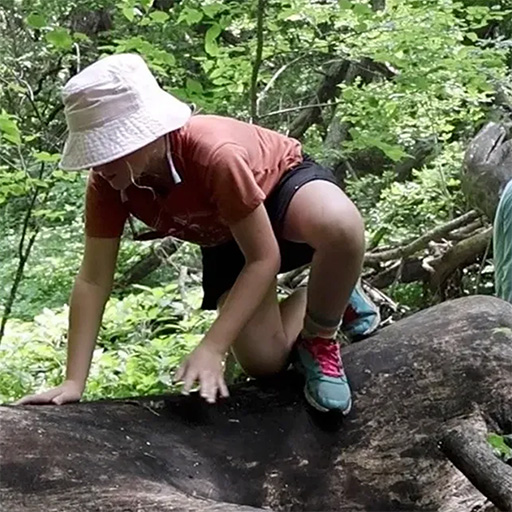
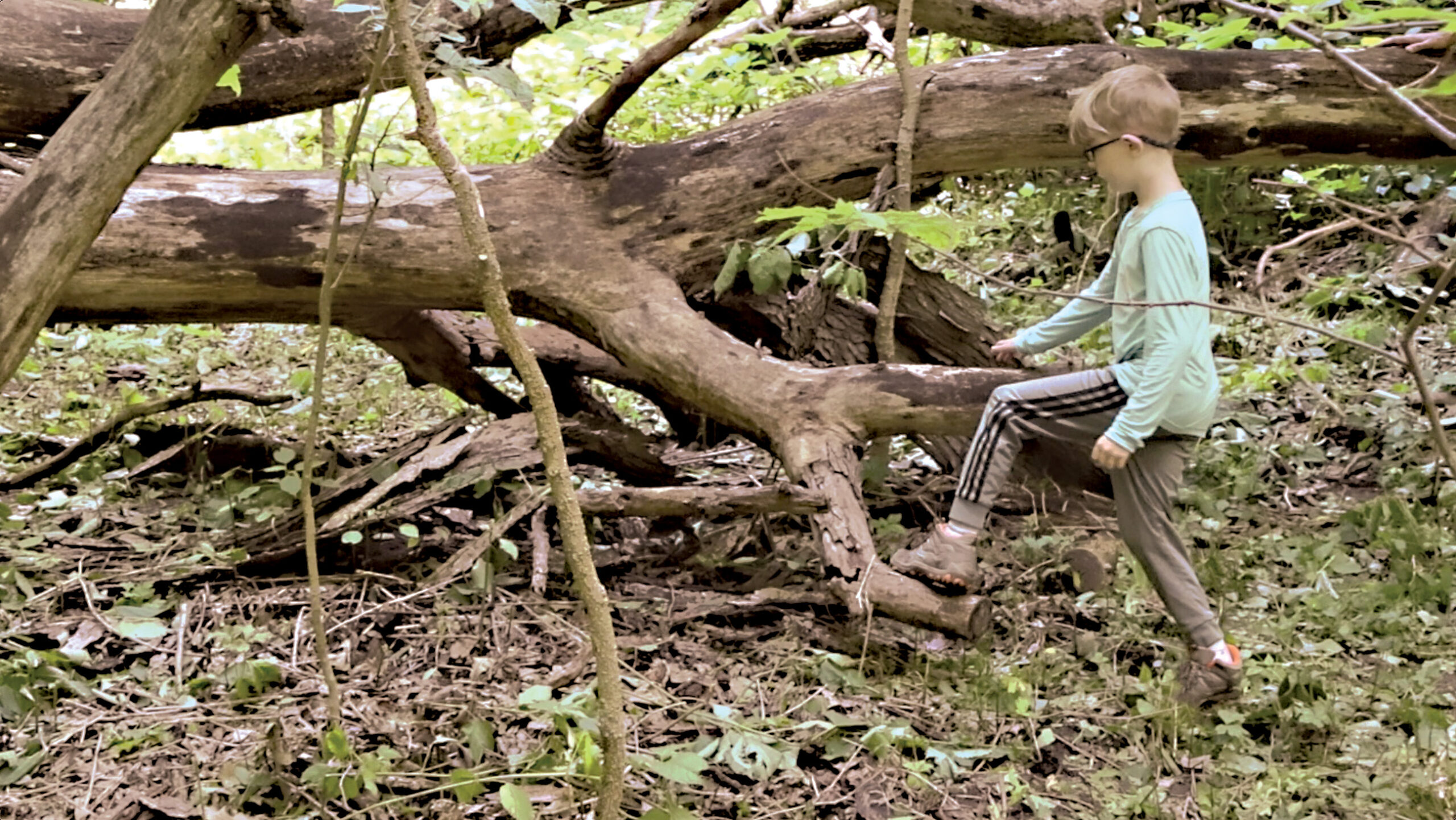
Our approach blends hands-on learning, time in nature, and strong academic foundations aligned to the Iowa Core Standards. Students spend a significant portion of their day outdoors—exploring, observing, creating, and making sense of the world around them. Learning is not confined to four walls.
Creativity, Community, and Stewardship
Through community partnerships, the integration of the arts, and a focus on stewardship, students begin to understand their role in caring for the world around them. They learn to collaborate, think critically, and take ownership of their learning.
Innovation with Accountability
As a public school, we value both innovation and accountability. Our students participate in required state assessments, and we use that data—along with authentic measures of learning—to ensure each child is progressing and supported.
Small by Design
As a small school, we have the flexibility to grow thoughtfully. Our teachers play an active role in shaping both the learning experiences and the culture of the school, creating an environment where educators are deeply invested—and where students benefit from that care, creativity, and consistency.
We also take a collaborative approach to teaching and learning. Teachers work as a team, often co-planning and co-teaching, and students learn within a multi-age environment. This means students have opportunities to learn alongside peers across grade levels—supporting one another, building relationships, and growing at their own pace.
In this kind of setting, learning becomes more flexible, more connected, and more reflective of how people naturally learn and work together.
Red Barn is more than a school. It is a place where curiosity is nurtured, relationships matter, and learning is designed to last.
Emotional and Physical Benefits
The programming at the Red Barn Schoolhouse will develop character and confidence as well as intellect. Reseach suggest that there are a variety of ways that nature and arts education enhance children’s health, development, and overall well-being, including:
– Improves Academic Performance
– Enhances Communication
– Builds Empathy, Reduces Intolerance and Generates Acceptance of Others
– Increases Emotional Resilience and Self-Regulation
– Aids in Healing from Stress and Burnout
– Provides Therapeutic Benefits to Children with Autism
– Enhances Brain Development
– Promotes Socio-Emotional Development
– Strengthens Community and Civic Engagement
– Promotes Executive Function
– Reduces Symptoms of Neurodiversity
– Promotes Physical Activity and Motor Development